
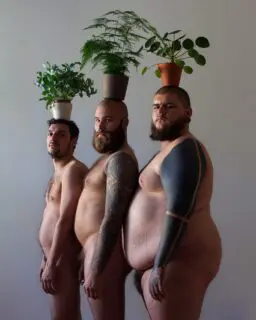
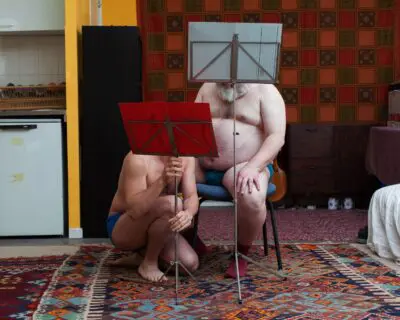
Mickey Aliosio
From Europe with Love
1st prize Open
2019
During a two-month backpacking trip through Europe in the spring of 2018 Mickey Aloisio photographed over 50 men in six cities. He found himself stepping in front of the lens with them as a way of visually documenting and reflecting on these immensely intimate first encounters.
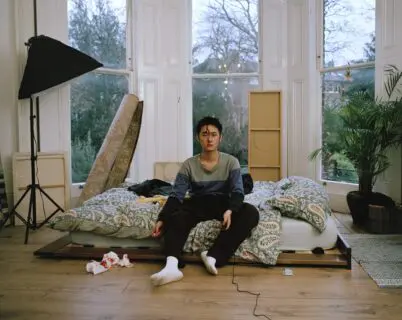
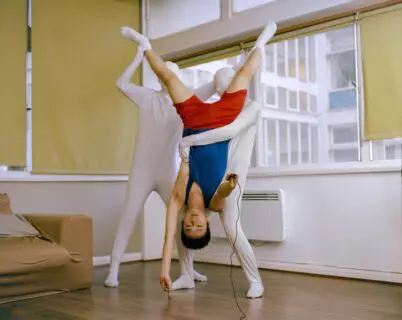
Ziyu Wang
Go Get’Em Boy
Exhibition Selection Stories
2023
In "Go get them, boy!" the audience takes on the role of the elders of the family to examine the image of manhood I have created for my father.
Keiji Fujimoto
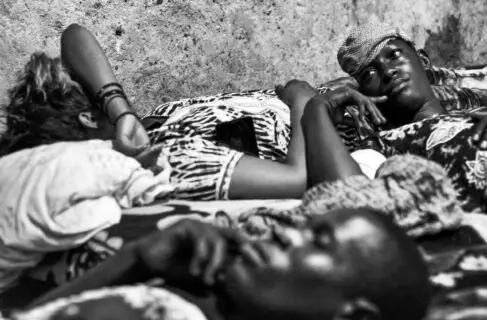
Group of gay men sharing a room in Kampala
1st prize Singles
2019
They left their home towns in the countryside of Uganda after their parents discovered they were gay.
Robin Yong
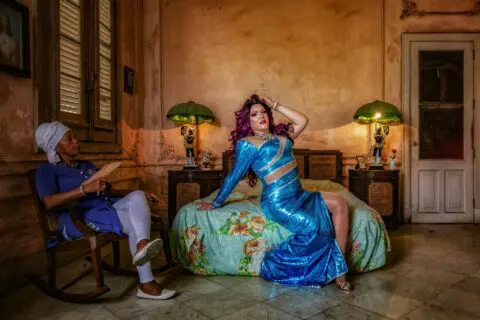
Havana Queen Story
Exhibition Selection Singles
2023
Just a few years ago, Cuba would never have allowed the LGBT-friendly acts to exist in such broad visibility. A portrait of drag queen Salma before her show in the evening.
Sitara Celina Rajh
HERE, WE FIND SAFETY
2026
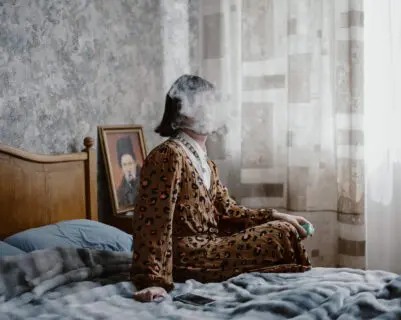
AquaLatex (27), a drag performer based in Kyiv, Ukraine, sits on her bed. Born in Kherson, a city in Southern Ukraine, AquaLatex is part of a community that finds temporary refuge in spaces of performance, refuge and resistance. This image is part of the ongoing long-term project Here, We Find Safety., which explores everyday places such as dressing rooms, beauty salons, and other intimate interiors in Kyiv and across Ukraine, where queer people gather, celebrate, and exist without fear. These safe spaces play a vital role within the queer community, offering moments of affirmation, connection and visibility in the face...
Mauricio Holc, Hector Villalobos
HISTÓRICAS
2026
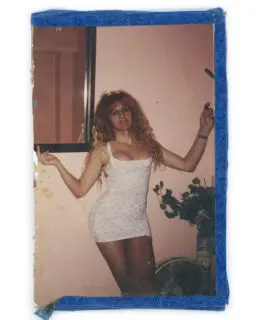
Históricas portrays Marcela, Teté, Mychel, Sonia, and Mónica, members of the Archivo de la Memoria Trans Argentina, a collective dedicated to preserving the histories of trans communities in Argentina. In Argentina, trans women, known as travesti in Latin America, have historically faced extreme discrimination. Through portraiture combined with archival images, the work honours these women not only as witnesses to history, but as those who have shaped it. The project positions them as a living archive, carrying memories and personal images shaped by decades of marginalisation and resistance. Founded in exile in 2012 by trans activist María Belén Correa, the...
Martha Tadesse
House of La Glamour
Exhibition Selection Curators Choice
2024
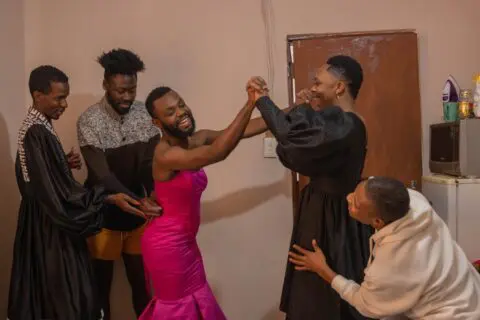
HOUSE OF LA GLAMOUR is a photographic essay that follows Imhaku Peters, founder of the House of La Glamour, in Johannesburg, South Africa. For his safety, Imhaku migrated from Nigeria, where homosexuality is criminalised and punishable by death, to South Africa, where he found that LGBTQIA+ people from various African Nations had sought refuge. He created the House of La Glamour with the intention of helping young LGBTQIA+ migrants to express themselves within the ballroom scene in Johannesburg. Imhaku regularly takes part in the ballroom events, and organises regular drag performances. He takes care of the ‘children’ of the house...

André Ramos-Woodard
HOW TO BE A MAN
2026
How To Be A Man examines masculinity as a set of learned behaviours, gestures, and expectations. Through still lifes, portraits, and visual interventions, the work reflects on how these norms are shaped, performed, and reinforced in everyday life, drawing on the ideals of manhood promoted within the United States as a model for ‘real manhood.’ Rooted in the artist’s experience as a Black, queer, male-bodied person, the project considers the pressures of conformity and the tensions between imposed roles and lived identity. Objects, humour, and exaggeration are used to question and unsettle dominant ideas of manhood.
Ilvy Njiokiktjien
I Don’t Want To Be Gay In This Ukraine
Exhibition Selection Stories
2023
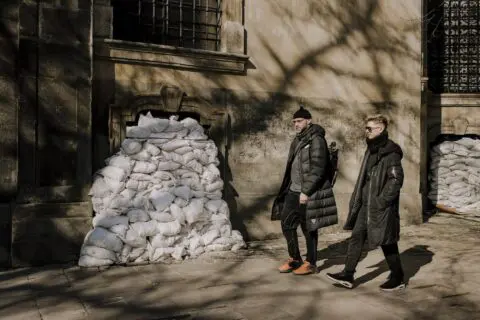
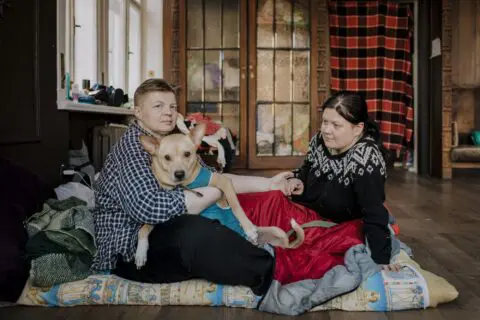
Right after the invasion of Ukraine members of the LGBTQI community fear for their future. They are thought to be among the designated targets of a Russian campaign to oppress sectors of the community, and names of LGBTQI activists have apparently appeared on Russian kill lists.
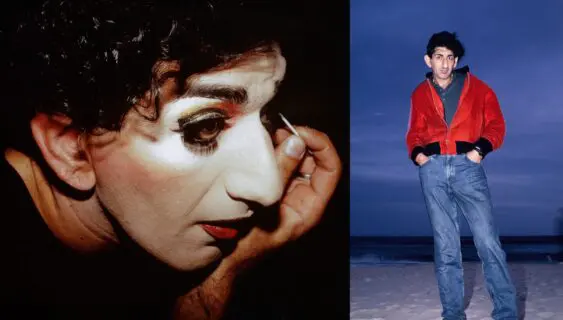
Julie Sundberg
I Remember Everything
2nd prize, Winner Stories
2024
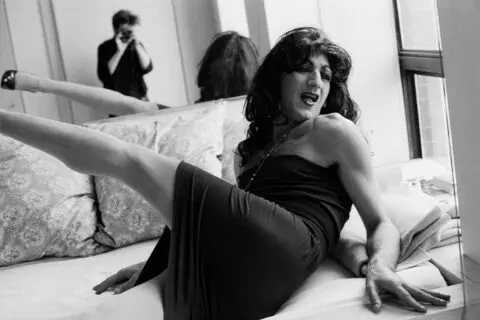
This is a story spanning my 35 year relationship with Danny Abood. It is about identity and gender, addiction, ageing and illness, love, loss and death.
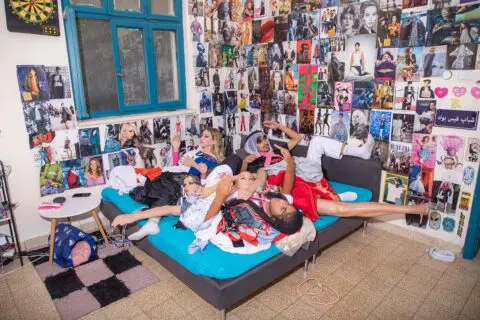

Omar Braika
Ignorance is the enemy
Exhibition Selection Curators Choice
2022
LGBTQIA+ people from the Arab world often feel doubly demonised. In the Western world as Arabs, and in their own community as queer.
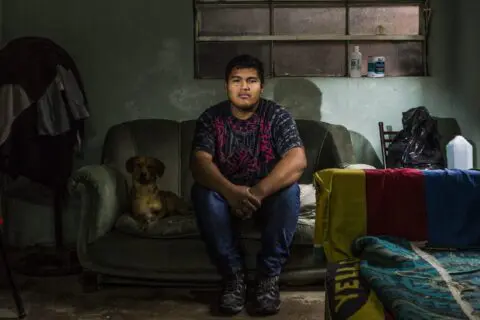
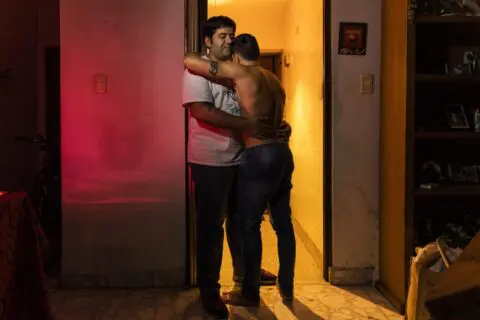
Carloman Macidiano Cespedes Riojas
Immigration LGBTQ in Buenos Aires
2nd prize Stories
2019
In Peru and especially in the provinces, being gay is a taboo, there is a lot of discrimination, so in 2005 I was able to travel to Buenos Aires. Since 2017 I have been photographing boys residing in Buenos Aires, mostly from bordering countries and Latin America, their stories have similarities to mine ... we all arrive in search of freedom.
Lena Mucha
IN BETWEEN
2026
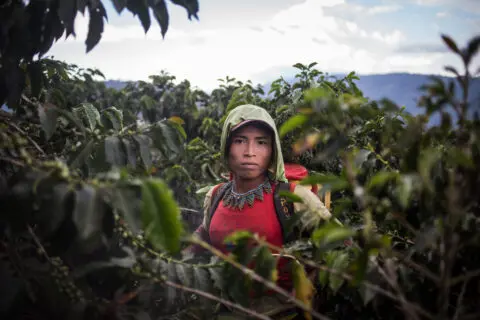
In Between follows Indigenous trans women from the Emberá community in Colombia’s coffee-growing region of Eje Cafetero, living and working on remote farms that allow them to exist as themselves. Forcibly displaced from their home communities due to discrimination and violence, these isolated spaces provide a form of refuge.
Gazi Nafis Ahmed
Inner Face
3rd prize Stories of Love and Pride
2015
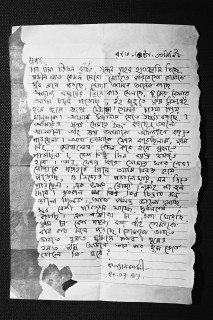
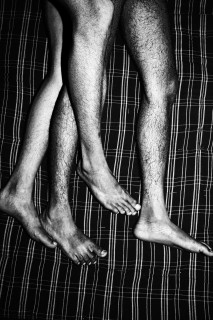
Any discussion around sex and sexuality is taboo in my country. It is a family-oriented, moderate society with strong economic class structure.
Alexis
Invisible
1st prize Singles
2024
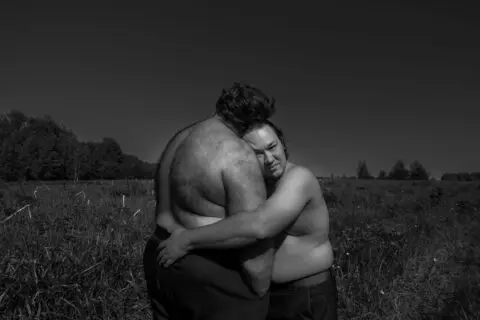
In the margins of the margins of Putin’s Russia, queer bodies exist and dare to stay true to themselves. A couple share a tender embrace in a field, only feeling safe when they are far away from civilisation.
Chiara Fabbro
Invisible border
Exhibition Selection Stories
2023
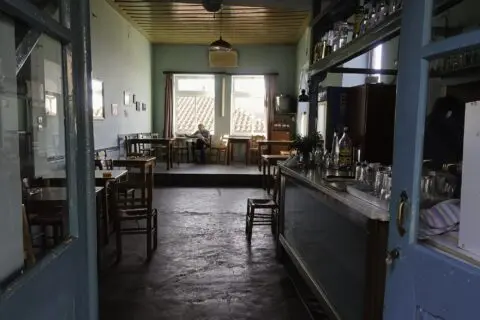
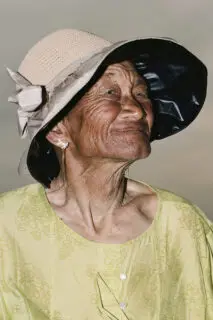
Dimitri was born in the small fishing village of Skála Sikaminéas, on the Greek island of Lesvos. At the age of 14, she told her parents that she was a girl. She struggled to be accepted throughout her life and experienced tough times, living in a mental institution during her childhood, followed by years of homelessness in Athens.
Yu Hao
INVISIBLE CASTLE
2026
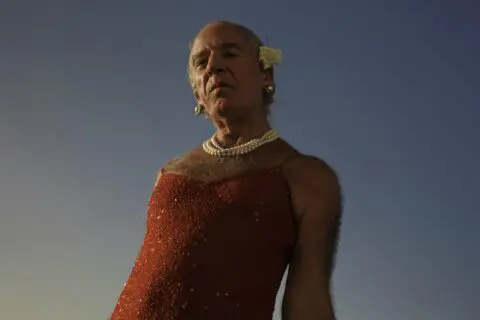
Invisible Castles is a photographic project made in collaboration with the artist’s three great-uncles. Through gesture, clothing, and subtle shifts in performance, the work reflects on masculinity and aging in a contemporary Chinese context. The images reconsider familiar male roles by introducing small displacements in dress and behaviour.
Marc Ohrem-Leclef
Jugaad – Of Intimacy and Love
3rd prize Stories
2019
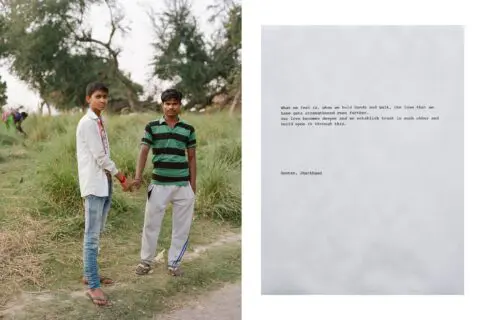
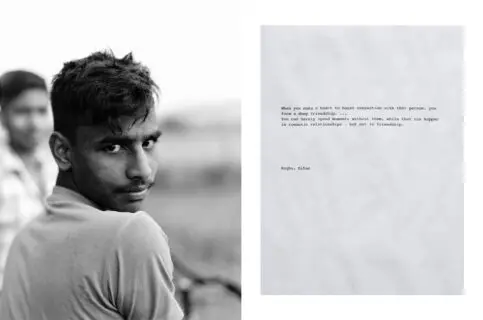
Friends Chotu and Rajan leaving the temple Soon after beginning my research to prepare 'Jugaad-Of intimacy and Love' I realised that my attempts to locate familiar identities in the public gestures rooted in India's homosocial culture would only stand in the way of embracing the many subtle layers of intimacies my collaborators eventually began sharing with me. QUOTE: “ What we feel is, when we hold hands and walk, the love that we have gets strengthened even further. Our love becomes deeper and we establish trust in each other and build upon it through this." Gaurav. For 'Jugaad-Of Intimacy and...
Mário Macilau
Kamana Felix
Exhibition Selection Singles
2023
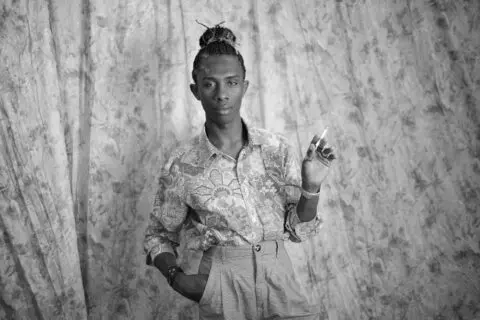
Gender equality in Mozambique, is one of the most complicated issues where people do not yet understand that it is not only a fundamental human right, but a necessary foundation for a peaceful, prosperous and sustainable world.
Keeping Touch
2nd prize Singles
2015
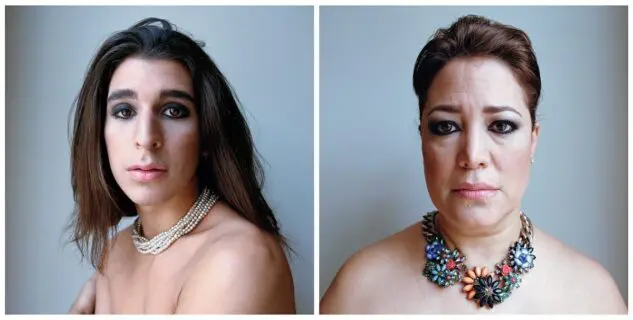
Self-exploration as a transgender femme through the act of photography
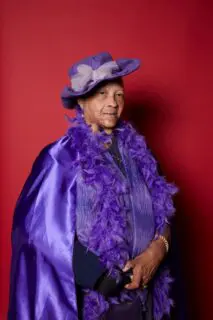
Kami Dubel
Kleurrijk ouder worden
Exhibition Selection
2022
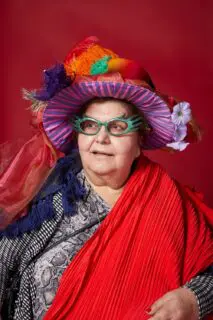
For the series Colourful Ageing, photographer Kami Dubel and creative producer Nina van Rheenen portrayed residents of Amsterdam care organisation Cordaan. A statement, to celebrate that everyone can be themselves and can love whomever they want. This does not change when you are older or when there is a sudden need for care.
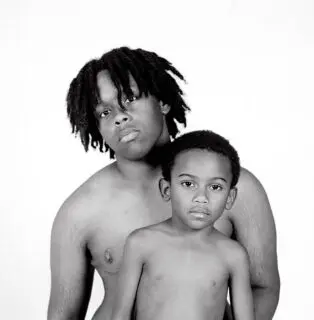
Ky Smiley
Kysaan & Ky
Winner Singles
2023
Just two black boys who are both still growing into their selves.
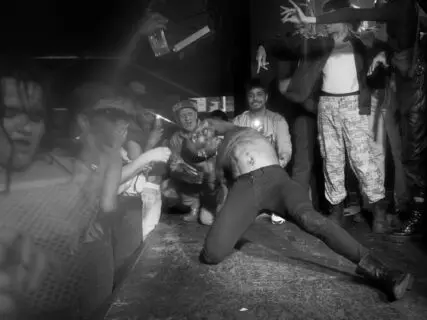
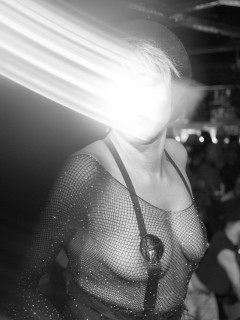
Adrien Selbert
La Creole
Exhibition Selection Stories
2023
In a world that tends to shut down under the influence of pandemics and the return of conservatism, La Creole remind France of the diversity of its children.
Zuzu Valla
Lady Mercury
Exhibition Selection Singles
2023
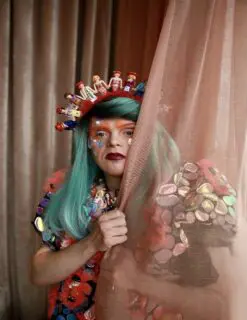
Lady Mercury is fierce, intelligent and powerful queen. Dedicated to her work, Lady Mercury can make you gag for more... Her moves are always on point and she's turning heads wherever she goes. She adore her loving fans and can surprise you with her witt and sass.
Akın Çeliktaş
LGBT Pride Bans in Istanbul
Winner Singles
2016
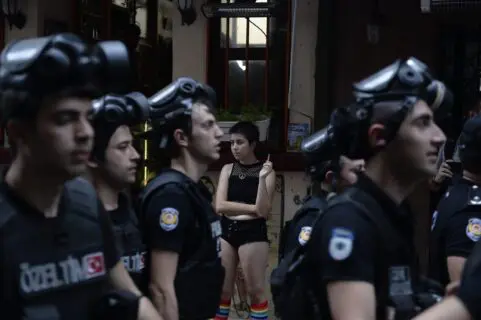
The photo shows a young woman in rainbow stockings standing in the street while the riot police march past. The Istanbul Gay Pride march, which had been planned for Sunday June 26, 2016, was banned because of ‘security concerns’.
Carlos Saavedra
Limpia
Exhibition Selection
2022
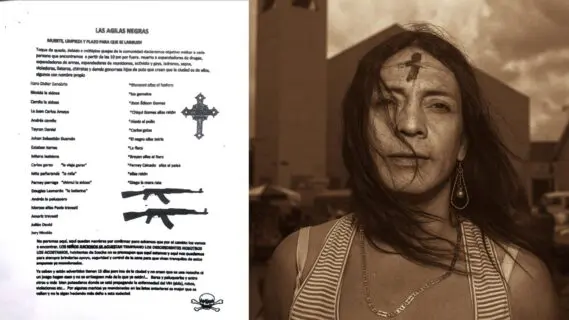
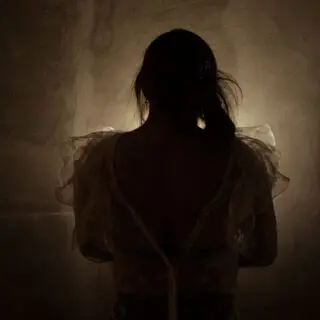
Every year, thousands of Colombians are selectively killed and displaced in so-called social cleansing campaigns. Pamphlets advertising "La Mano Negra " occupy public spaces in the country's poorest neighborhoods.
Jairo Nicolás Bernal
Love Can Save Us
Exhibition Selection Curators Choice
2024
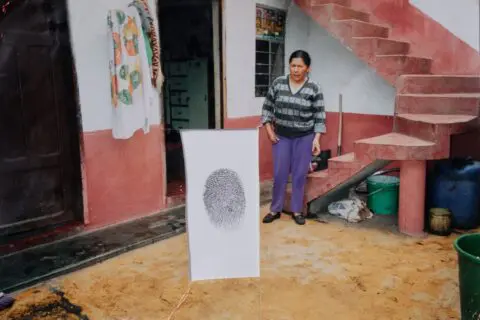
In LOVE CAN SAVE US the artist Jairo Nicolas Bernal presents us with a personal photograph from his archive, one which he now reflects on as his first ever photographic intervention. In the image, Jairo’s mother stands in the courtyard of their family home in Ipiales, Narińo, Colombia. Beside her is a part of the image that is cutout - an intervention - in which Bernal had chosen to remove himself from the photograph in an attempt to disappear.
Su Cassiano
LOVE HARDER
Stories
2025
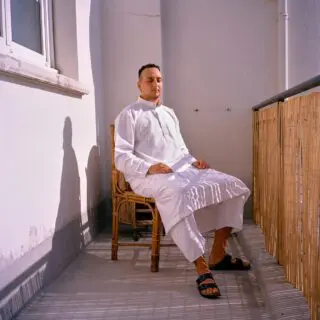
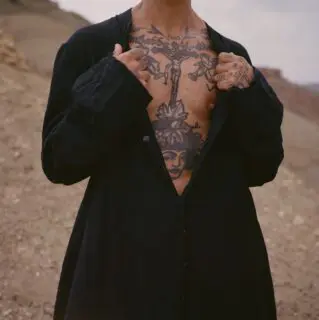
Love Harder is an ongoing, long-term series which explores the positioning of queer identities in relation to religion in the conservative Mediterranean cultural regions. This project aims to map out the multiplicity of queer people that continue to exist within cultures that try to deny and delegitimize their identities through visual portraiture, landscape photography, and personal interviews. This project takes place in various countries around the Mediterranean basin, including Malta, Turkey, and France, and works with LGBTQIA+ people from Catholic and Muslim backgrounds. Each portrait acts as a window into the life of a queer person who was raised within...
Mateus Porto
MATTHEW AND ERIC
Singles
2025
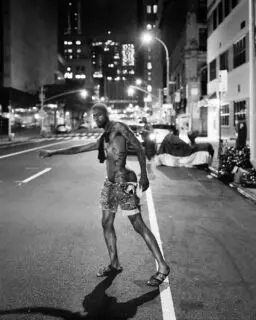
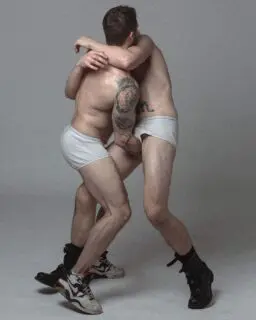
A portrait of Matthew and Eric, acquaintances of the photographer, in his photo studio. ‘I didn't say much, just let them interact as I shot images. They began wrestling and I captured this image.’ writes Mateus. The jury commends the work for its visual impact, pushing the viewer to question the relationship between Matthew and Eric. By capturing a moment that is intimate whilst also being ‘rough,’ the image highlights ideas of masculinity and touch.
Vincent Gouriou
Mélanie & Her Family
2nd prize Insiders / Outsiders
2016
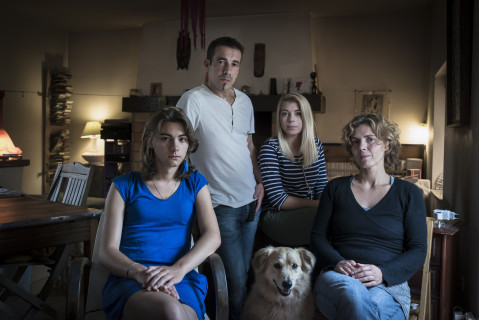
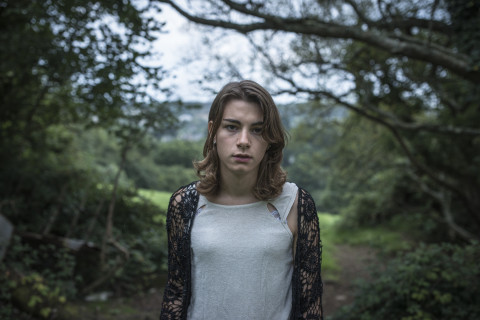
Mélanie is posing with her boyfriend, her father, her step-mother and her sister. She's in the middle of a sexual reassignment. She is highly supported by her family, her friends and her boyfriend. She accepted to participate in this project as an activist gesture to put in the light the life of transgender people.
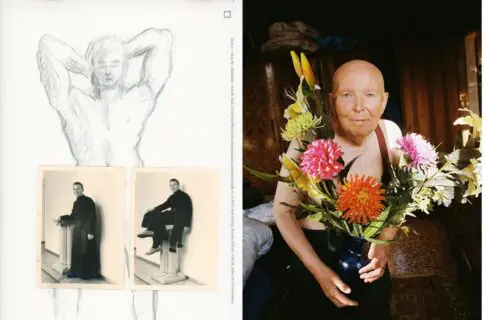
Mit Euren Spuren Collective
MIT EUREN SPEUREN
Stories
2025
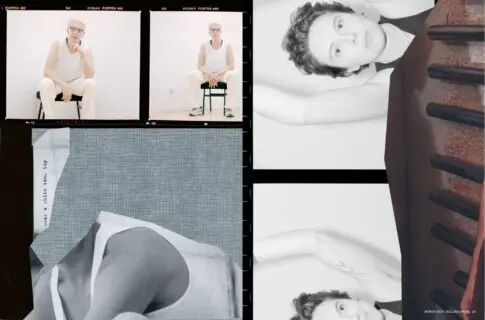
Up until 1994, Germany’s legal code criminalised same-sex relationships under ‘Section 175’, and created a climate of oppression and persecution of the LGBTQIA+ community. Due to this societal stigmatization and discrimination, many of Germany’s seniors were forced to conceal their sexual and gender identities, and never had the opportunity to live as themselves freely and without fear. Mit Euren Spuren (With Your Traces) is an interdisciplinary photography project encompassing a long-term collaborative endeavour between six queer photographers and eight queer senior citizens. The result is an intergenerational exchange of ideas about queer life, and the distinctive experiences of various generations...
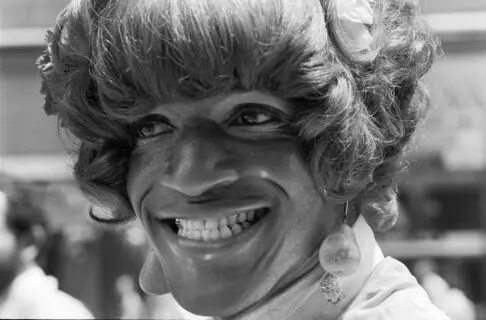
Chantal Regnault
MOMENTS OF PRIDE, NYC, 1978-1999
2026
Beginning in 1978, Regnault photographed the annual Pride Marches in New York City for over two decades. These marches grew out of the Stonewall uprising of 1969, when members of the LGBTQIA+ community resisted ongoing police harassment, marking a turning point in the fight for queer rights around the world. Among the earliest Pride marches of their kind, these gatherings would go on to shape what became a global movement. Pride marches functioned as both protest and gathering, spaces where visibility, solidarity, and political demand took shape. Moving between Fifth Avenue, the West Village, and the West Side Piers (New...
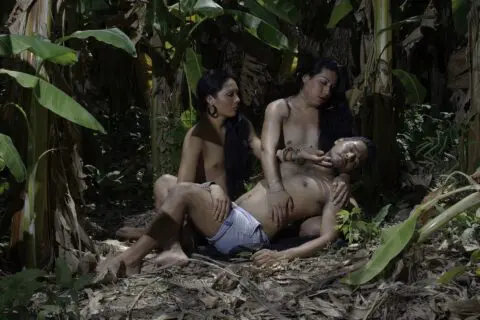
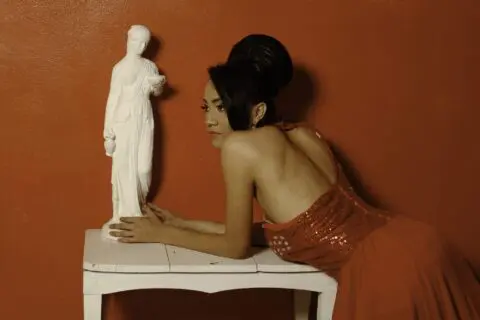
Nelson Morales
Musas muxe
1st prize Stories
2019
The Muxes are the third gender of the indigenous community of the isthmus of Oaxaca in Mexico, where the photographer was born.
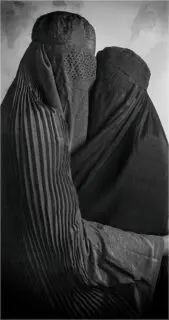
Mariam Magsi
Muslim Pride
1st prize Singles
2015
You may veil us, but you will never dictate who we love. Our love transcends your intolerance. Our love is greater than your hate.
Akanksha Pandey
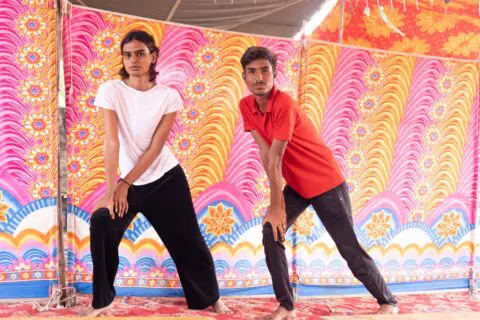
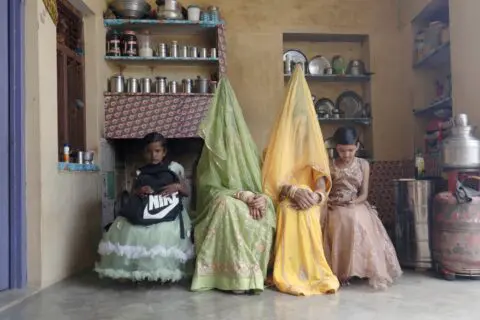
MY DAUGHTER, BONITA
Stories
2025
My Daughter, Bonita is an intimate and multi-layered portrait of Bonita's journey in navigating her gender transition, throughout which she has been unwaveringly supported by her sister. Bonita’s story is intertwined with personal, familial, and societal dynamics present in contemporary India. Growing up in a rural village in Rajasthan, Bonita faced multiple challenges when integrating her female identity amongst people who have known her since birth. Bonita's sister who, due to the lack of a strong male figure, took on traditionally masculine roles within the family as the primary provider and protector. The sisters chose to migrate into more progressive...
Sophie Chalk
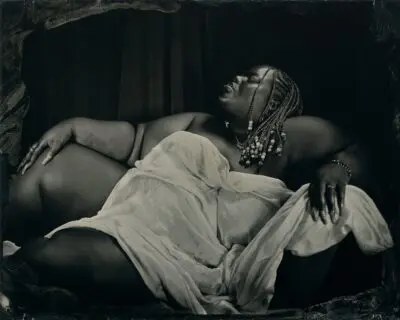
NATURAL CONFIGURATION
2026
Natural Configuration is an ongoing photographic series using the historical process of wet plate collodion tintypes, an early photographic technique in which images are created on metal plates through a slow, hands-on process. The work brings together queer bodies in a self-constructed archive, drawing on visual references from photographic history and queer image-making. Blending visual languages from the 19th century through to the 1980s, the images create a space where past and present overlap. Natural Configuration reflects on how archives are formed, what is lost when queer representation is removed or censored, and who has the power to shape and...
Meret Eberl
NBSW
Stories
2025
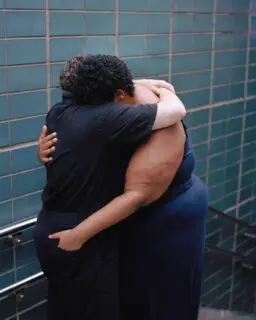
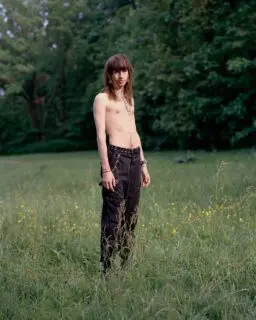
NBSW is an ode to non-binary people who are, or have been, engaged in sex work at some point in their lives. Popular discourse and institutional policies often overlook the existence, needs, and safety of non-binary people as well as sex workers. Without legal recognition of their gender identity, non-binary people are often forced to repeatedly assert their right to exist in both personal and professional life. Gender stereotypes, classism, and racism reinforce these barriers in the realm of sex work, often silencing the voices of those affected and impeding the communication of their needs and experiences. This lack of...
Kennedi Carter
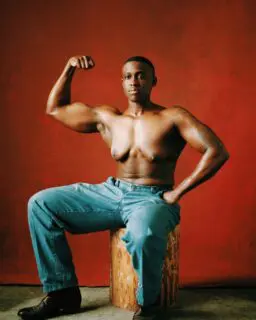
Nichelle Flexing
Exhibition Selection, Winner
2020
Nichelle is iemand waar de Kennedi Carter mee bevriend is, die zich mannelijk presenteert. Ze is een bodybuilder en heeft een absoluut verbluffende lichaamsbouw.