Pride Photo 2026

Queer Radiance, In Common Light
Pride Photo announces the selected photographers and jury for its 2026–2027 outdoor exhibition and collection. From the end of May 2026 through May 2027, the exhibition will travel to nine locations across the Netherlands, with a featured outdoor presentation in Amsterdam West during July and August.
Following an open call in December 2025, Pride Photo received 935 submissions from 66 countries, an increase of 18.2 percent compared to the previous year. This year saw particularly strong participation from South America and a notable rise in submissions from across the African continent, reflecting the growing global reach and urgency of queer storytelling.
A total of 12 photographers have been selected for the 2026–2027 exhibition. Their works explore a wide spectrum of queer experiences, addressing themes such as identity, family, memory, resistance and belonging. Together, they form a powerful and nuanced collection that highlights both personal and collective narratives from around the world.
The selection was made by an international jury of five members, each bringing a distinct artistic vision and perspective rooted in diverse cultural and community contexts. The jury was chaired by Mackenzie Calle and included Alexandra Obochi, Kary Kwok, Marwan Kaabour and J.G. Basdew.
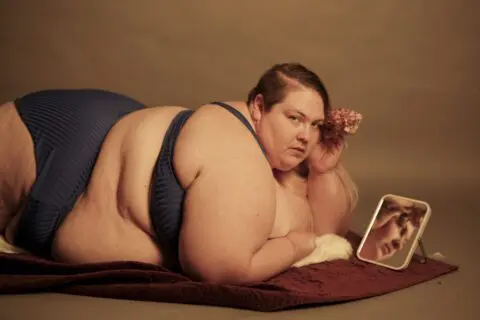
Svenja Wiese
A PERSON WITH A FLOWER
2026
Lisa, a non-binary person resting in an intimate, self-chosen pose, holding a dried flower beside their face while their reflection appears in a small mirror. The work celebrates embodied presence and challenges normative gazes, offering a tender yet defiant affirmation of identity.
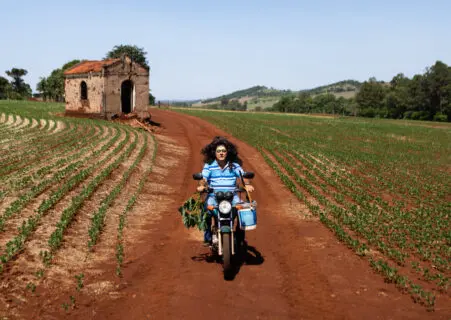
Danilo Zocatelli Cesco
DEAR FATHER
2026
Dear Father was developed between the artist and his father on their family’s farm in rural Brazil. Using drag, performance, and portraiture, the work creates a space of recognition and connection between them. As a young queer person growing up in a rural community, Zocatelli felt distant from both his environment and the forms of masculinity embodied by his father. By working with his father through drag and revisiting scenes from childhood, playing football, tending the land, slaughtering animals, he reimagines these moments through a queer lens. Dear Father is accompanied by a letter written by Zocatelli to his father,...
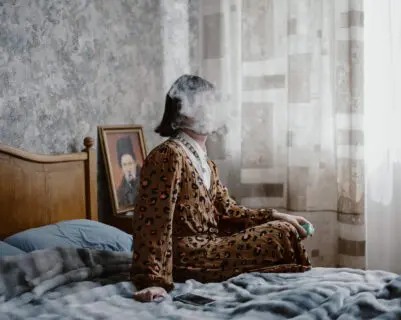
Sitara Celina Rajh
HERE, WE FIND SAFETY
2026
AquaLatex (27), a drag performer based in Kyiv, Ukraine, sits on her bed. Born in Kherson, a city in Southern Ukraine, AquaLatex is part of a community that finds temporary refuge in spaces of performance, refuge and resistance. This image is part of the ongoing long-term project Here, We Find Safety., which explores everyday places such as dressing rooms, beauty salons, and other intimate interiors in Kyiv and across Ukraine, where queer people gather, celebrate, and exist without fear. These safe spaces play a vital role within the queer community, offering moments of affirmation, connection and visibility in the face...
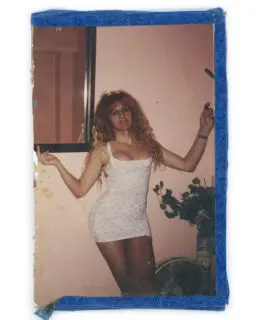
Mauricio Holc, Hector Villalobos
HISTÓRICAS
2026
Históricas portrays Marcela, Teté, Mychel, Sonia, and Mónica, members of the Archivo de la Memoria Trans Argentina, a collective dedicated to preserving the histories of trans communities in Argentina. In Argentina, trans women, known as travesti in Latin America, have historically faced extreme discrimination. Through portraiture combined with archival images, the work honours these women not only as witnesses to history, but as those who have shaped it. The project positions them as a living archive, carrying memories and personal images shaped by decades of marginalisation and resistance. Founded in exile in 2012 by trans activist María Belén Correa, the...
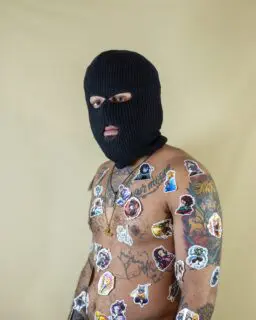
André Ramos-Woodard
HOW TO BE A MAN
2026
How To Be A Man examines masculinity as a set of learned behaviours, gestures, and expectations. Through still lifes, portraits, and visual interventions, the work reflects on how these norms are shaped, performed, and reinforced in everyday life, drawing on the ideals of manhood promoted within the United States as a model for ‘real manhood.’ Rooted in the artist’s experience as a Black, queer, male-bodied person, the project considers the pressures of conformity and the tensions between imposed roles and lived identity. Objects, humour, and exaggeration are used to question and unsettle dominant ideas of manhood.
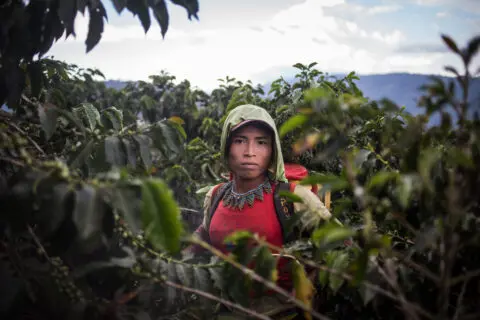
Lena Mucha
IN BETWEEN
2026
In Between follows Indigenous trans women from the Emberá community in Colombia’s coffee-growing region of Eje Cafetero, living and working on remote farms that allow them to exist as themselves. Forcibly displaced from their home communities due to discrimination and violence, these isolated spaces provide a form of refuge.
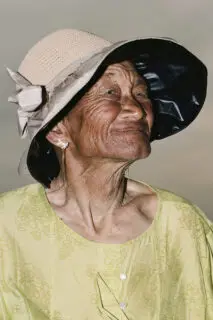
Yu Hao
INVISIBLE CASTLE
2026
Invisible Castles is a photographic project made in collaboration with the artist’s three great-uncles. Through gesture, clothing, and subtle shifts in performance, the work reflects on masculinity and aging in a contemporary Chinese context. The images reconsider familiar male roles by introducing small displacements in dress and behaviour.
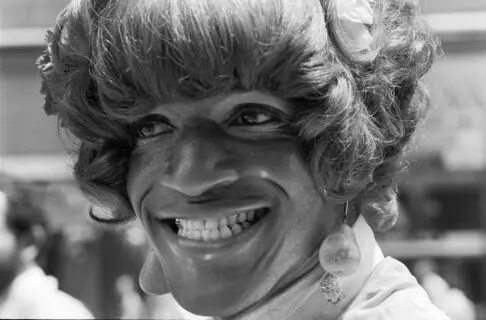
Chantal Regnault
MOMENTS OF PRIDE, NYC, 1978-1999
2026
Beginning in 1978, Regnault photographed the annual Pride Marches in New York City for over two decades. These marches grew out of the Stonewall uprising of 1969, when members of the LGBTQIA+ community resisted ongoing police harassment, marking a turning point in the fight for queer rights around the world. Among the earliest Pride marches of their kind, these gatherings would go on to shape what became a global movement. Pride marches functioned as both protest and gathering, spaces where visibility, solidarity, and political demand took shape. Moving between Fifth Avenue, the West Village, and the West Side Piers (New...
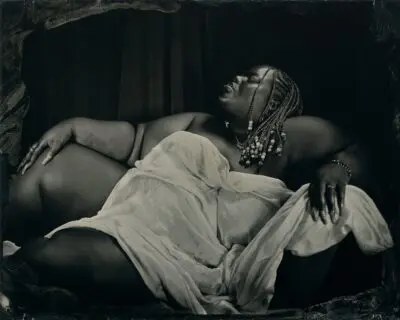
Sophie Chalk
NATURAL CONFIGURATION
2026
Natural Configuration is an ongoing photographic series using the historical process of wet plate collodion tintypes, an early photographic technique in which images are created on metal plates through a slow, hands-on process. The work brings together queer bodies in a self-constructed archive, drawing on visual references from photographic history and queer image-making. Blending visual languages from the 19th century through to the 1980s, the images create a space where past and present overlap. Natural Configuration reflects on how archives are formed, what is lost when queer representation is removed or censored, and who has the power to shape and...
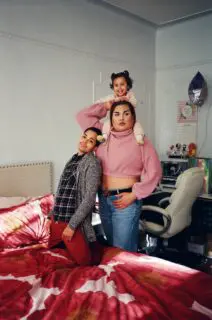
Mari Sarai
RAYNE, SHILOH, GABRIELE
2026
Rayne and Gabriel, a transgender couple pictured in their home in Queens, New York, with their daughter Shiloh. Since 2025, U.S. President Donald Trump has introduced a series of policies targeting transgender people, including restrictions on gender-affirming care and an executive order defining sex in binary terms, effectively denying the existence of trans, non-binary, and intersex people. These measures, alongside escalating anti-trans rhetoric, have contributed to a broader climate of hostility and exclusion. With this family portrait, the photographer Mari Sarai offers a message of encouragement to trans and genderqueer people who wish to build families, holding space for the...
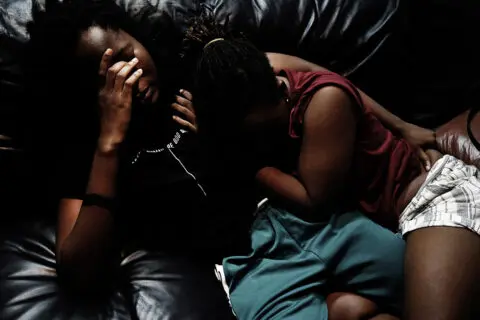
Nana Akua Agyeibea Asare-Boye
SASSO
2026
Sasso explores queer expression and belonging in Ghana through intimate portraits of friends, lovers, and chosen family, creating a shared space between the artist and their collaborators. The work reflects on how identity is shaped through gesture, styling, and everyday performance. Sasso takes its title from a Ga word (a language spoken by the Gas in Southern Ghana) that was historically used for gender-nonconforming men. Within this series, Agyeibea creates images that centre agency, presence, and the complexity of queer life in Ghana. In a context where same-sex relations remain criminalised in Ghana, and where recent legislation has sought to...
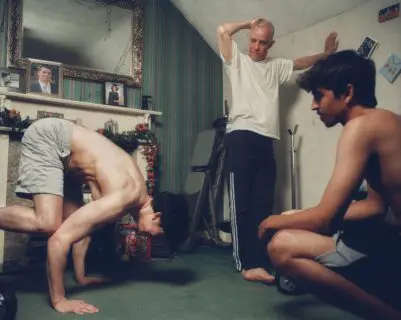
Adam Han-Chun Lin
SONDER
2026
Sonder focuses on relationships between male family members in their homes, and examines how masculinities are expressed, negotiated, and reimagined within the family home. Blending documentary photography with subtle staged interventions, Han-Chun Lin collaborated with ten families, transforming their homes into intimate stages where the boundary between performance and reality dissolves. The home is a site of contradiction, emotionally intimate yet historically structured by tradition, silence, and expectation. Often coded as a feminine space, it stands in contrast to the arenas where masculinity is typically performed such as workplaces, sports fields, or public institutions. Sonder challenges these binaries and reveals...
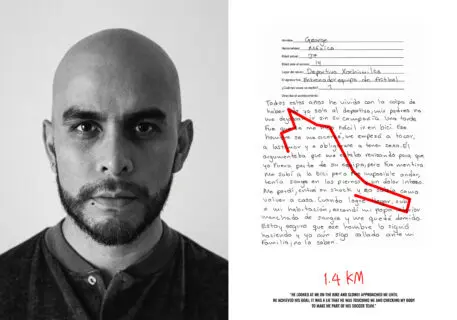
George Ramos
THE LOSS
2026
The Loss reflects on the photographer’s experience of sexual violence and the lasting impact of silence and memory. Returning to the site of the assault years later, Ramos uses photography and graphic intervention to map this experience and open it toward shared dialogue. Developed through conversations with other LGBTQIA+ survivors, The Loss expands beyond the personal, holding space for shared experiences of violence, silence, and survival. Combining staged and documentary images with interventions using Google Maps, the series traces how trauma reshapes space and memory.
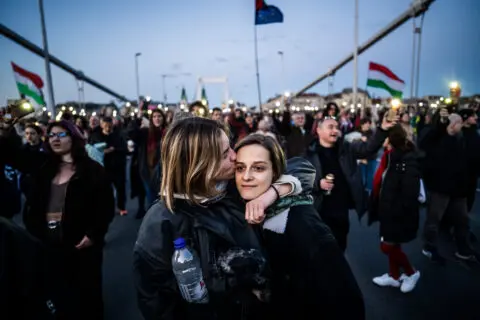
Marton Monus
WE ARE (HOME)
2026
We are (home) documents the shifting political landscape surrounding LGBTQIA+ rights in Hungary. The series traces the lives of LGBTQIA+ individuals in Budapest at a time of increasing state restriction, alongside the scale of public support at Budapest Pride 2025. Over sixteen years of Prime Minister Orbán’s rule, LGBTQIA+ rights have steadily eroded. In March 2025, parliament passed a law allowing police to ban Pride marches, marking a form of institutional exclusion within the European Union. In response, the 30th Budapest Pride in June 2025 drew record attendance. Through portraits and testimonies, We are (home) reflects on how visibility, care,...