
We asked members of our Pride Photo 2027 jury six questions about their practice, their perspectives on photography and what shapes the way they see. Read the full interviews with Marwan Kaabour, DeLovie Kwagala (Papa De) and Supranav Dash below.
Marwan Kaabour
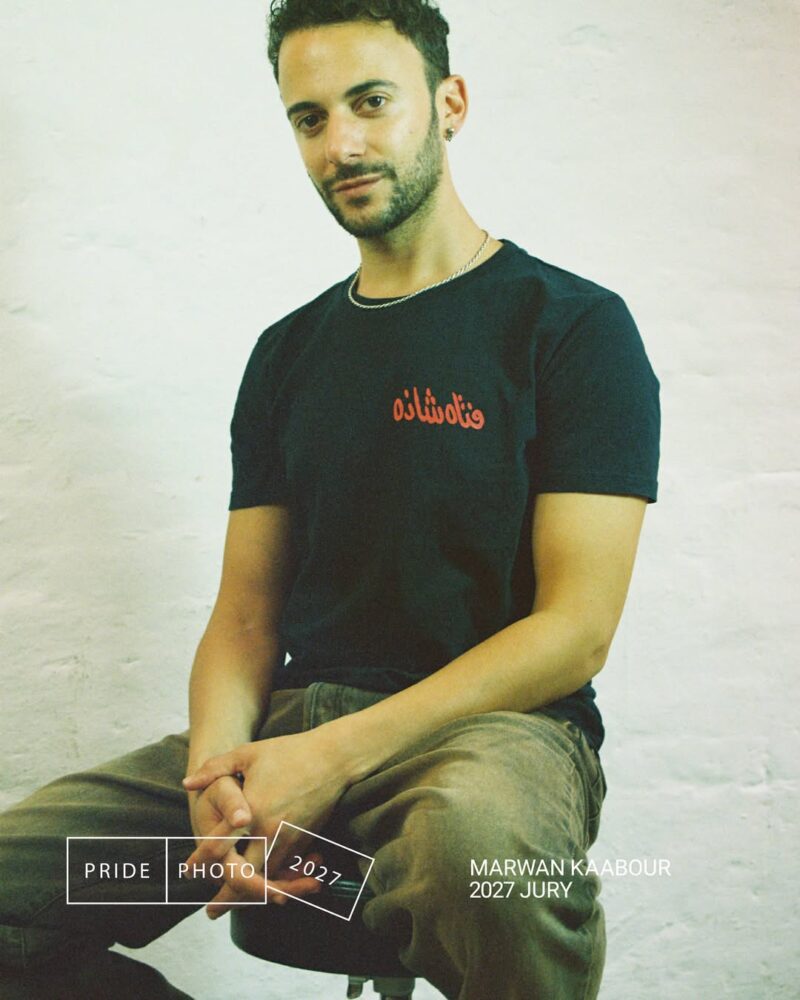
How would you describe your practice, and what questions or subjects are you most interested in at the moment?
My practice is research-driven, culturally, socially and politically engaged, in which design becomes a tool for storytelling, publishing and archiving.
What makes an image stay with you?
Its ability to evoke feelings, whatever they might be, that dominate my conciseness well after I viewed the image.
What perspectives, stories or ways of making do you feel photography needs more of right now?
Those of the most marginalised and demonised whether its trans or Palestinian people.
What question are you asking yourself most often in your work right now?
Is this work relevant in the world that we live in today? Does this work have the ability to shift the dial in the right direction?
What role do you think photography can play in shaping how we understand, and potentially shift, social and political realities?
People are often scared of the unknown and the unseen, whether its people whose culture differs to ours, or places that are far away and unfamiliar. It is that fear that becomes a catalyst for hate and divisiveness. Photographing the lesser know humanises the subject and allows for the public to relate, and potentially shift their perspective into a more nuanced one.
What is one photograph, artist, book, exhibition, film, text, or other cultural work, that has shaped the way you see?
Toni Morrison’s Beloved
DeLovie Kwagala AKA Papa De
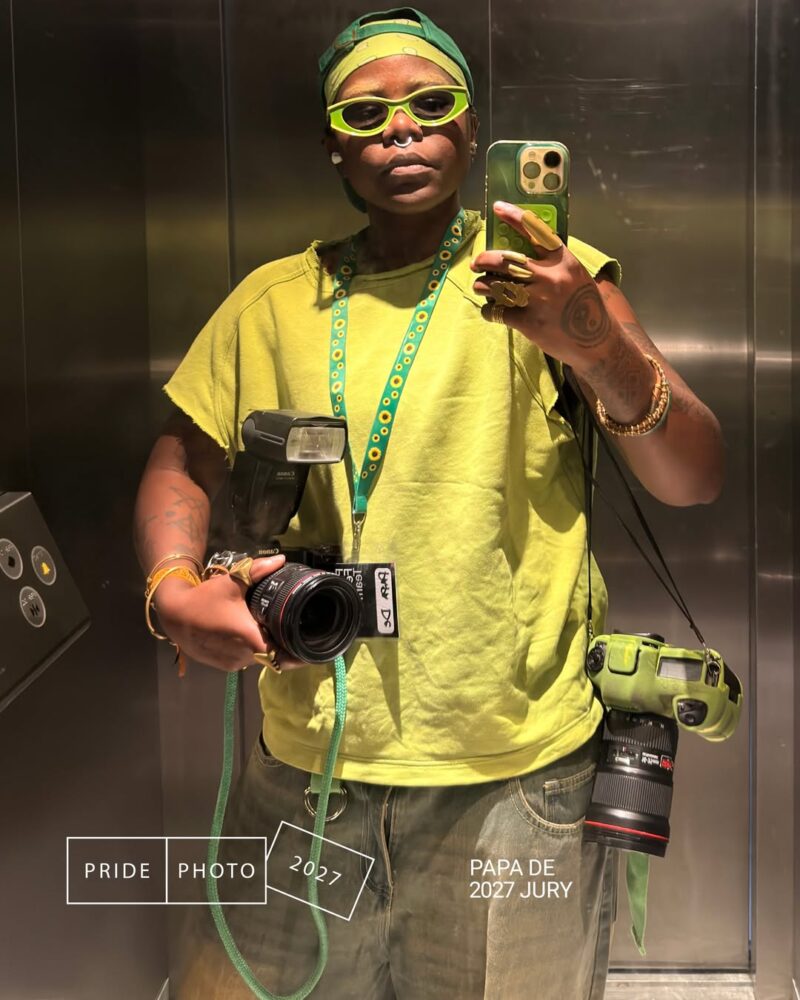
How would you describe your practice, and what questions or subjects are you most interested in at the moment?
I use photography, and film to document, examine and highlight Queer histories and experiences away from victimisation, sexualisation and stigmatisation. I focus on subjects of displacement, migration, social justice, gender identity and sexuality.
What makes an image stay with you?
It’s always the point of view for me as it allows for alternative perceptions of said image
What perspectives, stories or ways of making do you feel photography needs more of right now?
More authenticity and varied raw representation of real stories
What question are you asking yourself most often in your work right now?
The question of question and the privilege to do so as it breaks down so many warped layers on from whom and where the stories i tell come from
What role do you think photography can play in shaping how we understand, and potentially shift, social and political realities?
Defying erasure and highlighting truthfulness, bad or good.
The camera is a powerful subjective tool that has the power to make or break realities. Authentic Documentation and archiving are big catalysts in remembering and disrupting illusive memories, what we carry forward and how we continue and which narrative gets told hence the importance in always portraying the truth
What is one photograph, artist, book, exhibition, film, text, or other cultural work, that has shaped the way you see?
My work and how i see is (always) shaped by the resilience of my people, and the Silenced Queers from all the countries that have made and continue to make Love a punishable crime
Supranav Dash
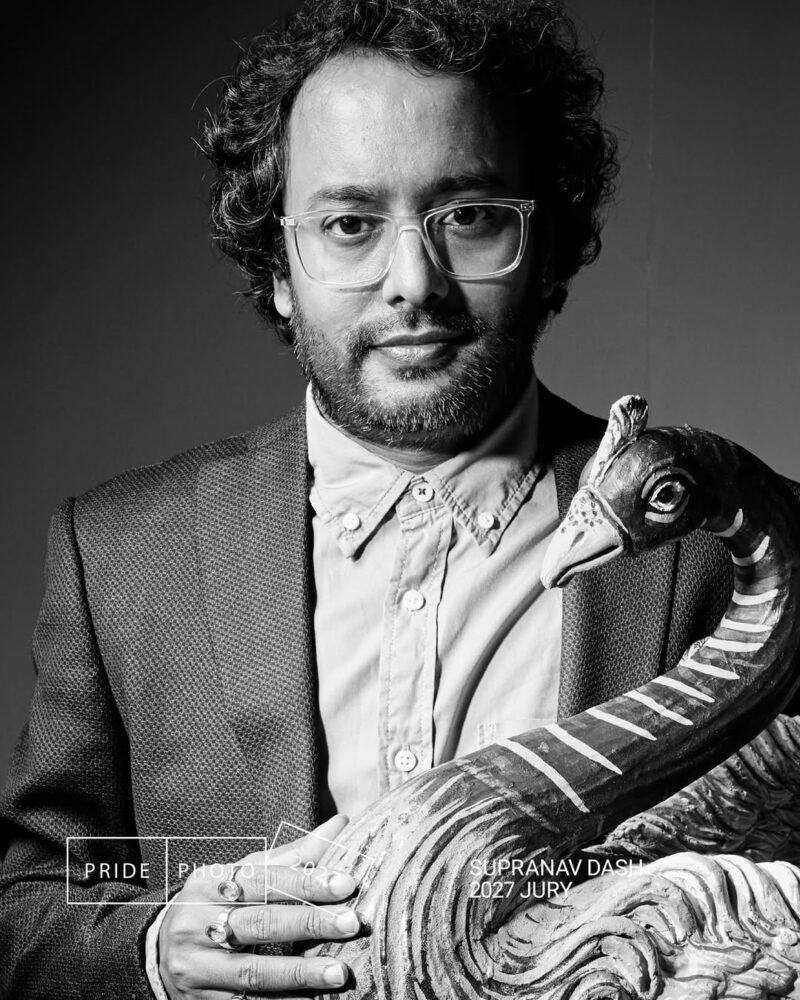
How would you describe your practice, and what questions or subjects are you most interested in at the moment?
I gravitate towards slow, meditative documentary portraits – of people, places and things. Work that addresses the human condition, the conservation of our culture, history and natural resources of the world are my top priorities. I want to make my time with photography useful to humankind.
What makes an image stay with you?
The essence embedded in an image that our mind silently distills and can recall long after we have witnessed it, makes an image stick with me.
What perspectives, stories or ways of making do you feel photography needs more of right now?
We are dealing with a toxic erasure culture, that is disrupting the social, environmental and political photographs that needs to be made/ seen.
The trend of going back to analog photography feels like the right direction. Complex bodies of work are being made by young artists, with fresh perspectives, who are looking deep within themselves, their subjects and cultures.
What question are you asking yourself most often in your work right now?
How do I keep seeing afresh? How can my work stay relevant and flow better.
What role do you think photography can play in shaping how we understand, and potentially shift, social and political realities?
Dismantling of old systems are necessary. Creating emotionally intelligent work (photography) will heal our fractured world. Approaching subjects with empathy, dignity and respect will go a long way. In the end people shall remember how your work made them feel, and whether you were able to make a difference to their lives.
What is one photograph, artist, book, exhibition, film, text, or other cultural work, that has shaped the way you see?
One photograph: Eyes of Gutete Emerita (1996) by Alfredo Jaar.
Works of Raghubir Singh, Irving Penn and Peter Hujar.